
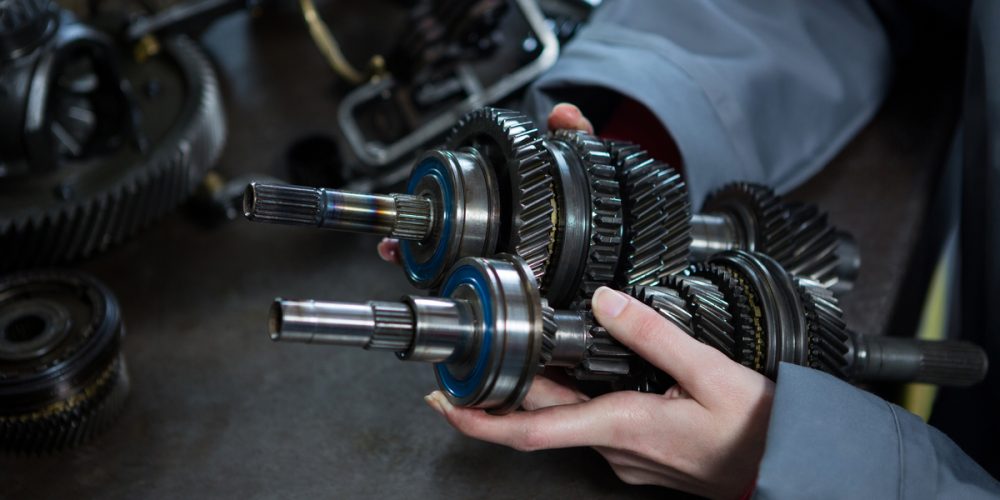
Imagine your engine as a world-class sprinter. Every breath and movement must happen at the exact right microsecond to reach top speed. A worn camshaft acts like a heavy weight, slowing down those vital movements and stealing your power.
Do you know which service will bring your engine back to life? Choosing between grinding and polishing can feel like a difficult puzzle. This guide clarifies the differences so you can make the best choice for your machine.
The Basics of Camshaft Surface Care
The metal surface of a camshaft faces extreme friction every single second. High heat and heavy pressure cause tiny scratches or pits to form over time. You must maintain this surface to keep your engine running without a hitch.
Proper care prevents metal flakes from entering your oil system. This protection keeps other engine parts safe from sudden failure. You will save a lot of money on repairs by acting before a small problem grows.
Examining Camshaft Polishing
Polishing is a gentle way to refresh the metal surface. It removes very little material while creating a mirror-like finish. This process helps the camshaft slide against other parts with less resistance.
You should choose polishing when the metal has only light stains or minor scuffs. It does not change the shape or timing of the cam lobes. Think of it like a deep cleaning for a high-value tool.
Examining Camshaft Grinding
Grinding is a more intense process that reshapes the metal. A machine uses a spinning stone to cut away damaged layers of steel. This method fixes deep grooves that a simple polish cannot touch.
You need grinding if the cam lobes have lost their original height. This service restores the specific curves required for correct valve timing. It is a major repair that gives an old part a fresh start.
Detailed Comparison: Grinding vs. Polishing
Understanding the technical gap between these two methods is vital for any engineer. Each serves a specific purpose depending on the state of the metal. We can look at how they differ in three main areas.
Material Removal Differences
Polishing only touches the top layer of the metal. It clears away microscopic bumps to make the surface smooth. You will not see a change in the physical size of the part.
Grinding removes a measurable amount of the steel alloy. The machinist cuts into the metal to create a new profile. This allows you to remove deep heat cracks or heavy wear marks.
Profile Alteration
A polished cam keeps its original lift and duration. The machine does not move the metal enough to shift the timing. This is perfect for maintaining factory specs on a healthy engine.
Grinding allows you to change how the valves open. You can ask for a more aggressive shape to get more air into the engine. It provides a way to customize performance during engine reconditioning.
Surface Texture
Polishing results in a very shiny, smooth finish that reduces heat. This smooth face helps oil stay in place during high-speed operation. It creates the ideal environment for long-lasting metal life.
Grinding leaves a slightly rougher texture that requires a “break-in” period. The new surface must mate with the lifters during the first few hours of use. You must use special oil to protect the metal during this phase.
Signs Your Camshaft Needs Help
You might hear a ticking sound coming from the top of your engine. This often means the cam lobes are not pushing the valves correctly. You should inspect the parts as soon as you hear strange noises.
Check your oil for small metallic sparkles during your next change. These bits of metal often come from a failing camshaft surface. If you see this, stop the engine and call a professional.
The Polishing Process Explained
Technicians use a long strip of fine abrasive paper for polishing. They wrap the paper around the cam journals while the shaft spins fast. This action rubs away the dull oxidation and light marks.
The process often ends with a soft cloth and a liquid compound. This final step creates a surface so smooth that oil can glide across it. It is a fast and effective way to refresh a used part.
The Grinding Process Explained
Grinding requires a large, precise machine called a cam grinder. The machine follows a master template to ensure every lobe matches perfectly. It uses a flood of coolant to keep the metal from warping during the cut.
The machinist must check the measurements many times during the work. Even a tiny error can ruin the performance of the entire engine. You need high-precision tools to get this job done right.
Technical Benefits of Polishing
Polishing lowers the operating temperature of your valvetrain. Smooth surfaces create less friction, which means less heat builds up. This helps your oil last longer and stay cleaner.
You also get a part that is less likely to catch or gall. Galling happens when two metal parts stick together and tear. Polishing acts as a shield against this type of mechanical disaster.
Technical Benefits of Grinding
Grinding fixes the “geometry” of the engine valves. When a cam wears down, the valves do not open as wide as they should. Grinding restores that lost lift so the engine can breathe again.
You can find specialized camshaft services to handle this complex work. It allows you to save a rare or expensive part instead of buying a new one. This saves resources and keeps classic machines on the road.
Common Misconceptions
Some people think polishing can fix a flat cam lobe. This is a mistake because polishing cannot add metal back to the part. If the lobe is flat, you must grind it or replace it.
Others believe grinding always makes an engine faster. While you can change the profile, grinding usually aims for restoration. Its primary goal is to make the part act like it did when it was new.
Tools Used in Professional Shops
- Automated camshaft grinders with digital controls.
- High-speed polishing lathes with adjustable belts.
- Micrometers that measure down to a ten-thousandth of an inch.
- Profilometers to check the smoothness of the metal.
- Magnetic particle kits to find hidden cracks.
- Hardness testers to ensure the metal is still strong.
How Wear Affects Valve Timing
A worn camshaft changes when the air enters your engine. If the lobe is small, the valve opens late and closes early. This ruins the efficiency of the combustion cycle.
You will notice a lack of power and poor fuel economy. The engine might also shake while it sits at a red light. Restoring the surface fixes these timing issues immediately.
Choosing the Right Service for Your Vehicle
Look at the depth of the damage on your camshaft. If you can feel a scratch with your fingernail, polishing might not work. In that case, grinding is your only real path to a fix.
- Choose polishing for routine maintenance and minor cleanup.
- Choose grinding for heavy wear or surface pitting.
- Choose polishing if you want to keep the factory power levels.
- Choose grinding if you want to change the engine’s behavior.
Long-Term Reliability Factors
The quality of the metal determines how long a repair lasts. Some cheaper camshafts have a thin layer of hardened steel. If you grind too deep, you might hit the soft metal underneath.
A professional must test the hardness of the cam after grinding. If the metal is too soft, it will wear out in a few days. Always ask for a hardness test to ensure your part stays strong.
The Importance of Clean Lubrication
After you polish or grind a cam, you must use clean oil. Tiny bits of grit can ruin a fresh surface in minutes. You should also change your oil filter before you start the engine.
Consider using a high-zinc oil for the first few hundred miles. Zinc creates a protective layer that helps the new surface settle in. This simple step protects your investment for many years.
Cost and Time Efficiency
Polishing is a quick service that usually costs less. You can often get your part back in just one or two days. It is a great choice for a budget-friendly engine refresh.
Grinding takes more time and requires more expensive machinery. The cost is higher because the skill level needed is much greater. However, it is still much cheaper than buying a brand-new camshaft from a dealer.
Environmental Factors in Metal Work
Modern shops recycle the metal shavings and used coolants. This keeps harmful materials out of the local water supply. Choosing a repair over a new part also reduces the carbon footprint of your project.
Saving an old camshaft uses less energy than melting down new iron. You help the planet by choosing to restore what you already own. It is a sustainable way to keep your machines running.
Industry Standards for Precision
Engineers use strict rules to decide if a cam is still good. They check for runout, which is how straight the shaft sits. They also check the base circle to ensure it remains round.
If a camshaft fails these tests, it cannot be saved. A professional shop will tell you the truth about your parts. Accuracy is the most important part of any metalworking job.
Conclusion
Deciding between camshaft grinding and polishing depends on the health of your engine. Polishing keeps things smooth, while grinding restores a lost shape. Both methods extend the life of your machine and improve its function.
Always inspect your parts carefully before you start your build. A small investment in surface care prevents a total engine failure later. Which of these services does your current engine project need the most?
We provide world-class precision engineering Tangerang to keep your business moving forward. Our team handles every part with care to ensure you get the best results. Please visit us at Merdeka Precision to learn more about our specialized machine services.
Would you like me to explain how we measure camshaft hardness after the grinding process?