Precision Component Manufacturing
Services
Precision Component Manufacturing
Merdeka Precision provides reliable solution for your production needs. Supported by cutting-edge technology, our CNC machine accompanied by our excellent quality assurance, guarantees prompt and precise results. We also provide custom components manufacturing according to your needs. Our expertise and experiences accompanied with our latest technology machines, we are able to process custom component with least operations thus reduce lead time and cost.
The Process of Manufacturing a Piston Rod
Merdeka precision has a piston rod as the main part in production. The process of manufacturing a piston rod begins with Cutting low carbon steel round bar diameter 10/12.57/20.01/22.1 mm into specified length then goes to Induction Hardening machine for surface & case-depth treatment. Afterward it goes through Straightening, Machining, Thread Rolling and final Milling process. All these processes done in-house.
Production Capacity
We produce various types of custom precision components with precision and consistency accurate to the required specifications. With a capacity of + 25,000 units/day and tolerances of up to 0,002 mm, we assure your production target
on schedule.
Manufacturing Process
primary process

Induction Hardening
Induction hardening is a type of surface hardening in which a metal part is induction-heated and then quenched. The quenched metal undergoes a martensitic transformation, increasing the hardness and brittleness of the part. Induction hardening is used to selectively harden areas of a part or assembly without affecting the properties of the part as a whole.
Turning Machining
Turning is a metalcutting process for producing a cylindrical surface with a single point tool. The workpiece is rotated on a spindle and the cutting tool is fed into it radially, axially or both. Producing surfaces perpendicular to the workpiece axis is called facing. Producing surfaces using both radial and axial feeds is called profiling.
Milling
Milling is the complex shaping of metal or other materials by removing material to form the final shape. It is generally done on a milling machine, a power-driven machine that in its basic form consists of a milling cutter that rotates about the spindle axis (like a drill), and a worktable that can move in multiple directions (usually two dimensions [x and y axis] relative to the workpiece).
secondary process
Cutting and Chamfering
Cutting is a collection of processes wherein material is brought to a specified geometry by removing excess material using various kinds of tooling to leave a finished part that meets specifications.

Thread Rolling
Thread rolling is a metal forging process that forms threads into the mirror image of a roller die. The process is different from metal cutting, grinding, and chasing because it does not remove any metal from the workpiece. Instead, thread rolling uses hardened steel dies to displace and mold ductile metals. The high-pressure process physically changes the properties of rolled metal parts to make the base part and the threads harder and stronger.
Straightening
With roll straightening, the workpiece is set in rotation by a motor via a force-fit connection to a workpiece holder. During this rotary movement, the workpiece is strongly deformed (beyond the elastic limit) and the deformation is gradually (or continuously) reduced during the rotary movement. This straightening process mostly affects the entire workpiece (usually one point in the middle).
Our Machine
- Full Automatic SOCO Circular Saw SA-77
- 2 Unit Full Automatic Induction Quenching & Tempering
- Straightening Machine PS-3
- CNC Lathe Fastcut Centre Spindle
- CNC Tornos DT26, 5-axis Swiss Turning double spindle
- CNC Quick Tech Double Spindle
- 5 Unit CNC Lathe Takisawa TC-1000
- CNC Lathe Doosan LYNX-220
- CNC Lathe Takzawa TC-2000
- Roll Threading Machine UM-30
- CNC Swiss Turning Machine Tsugami BO265-III
Quality Assurance Equipment
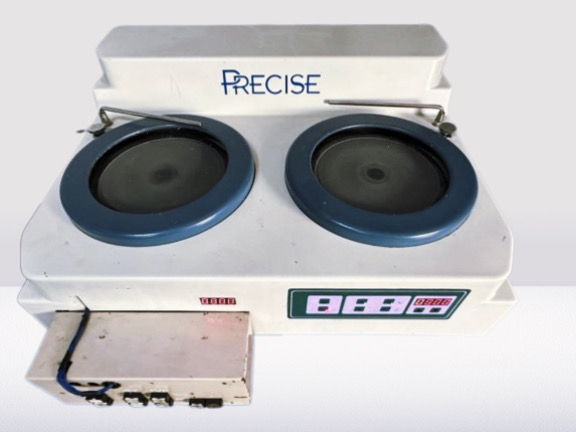
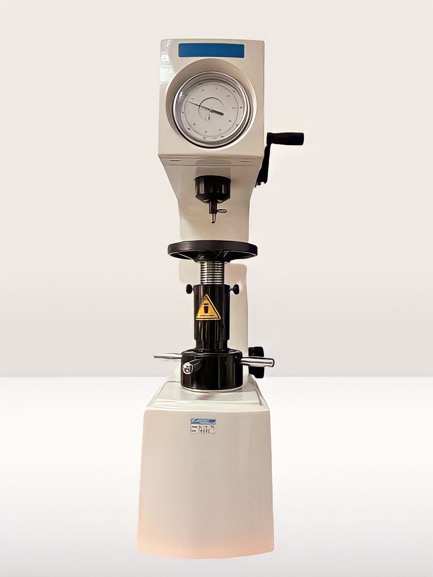
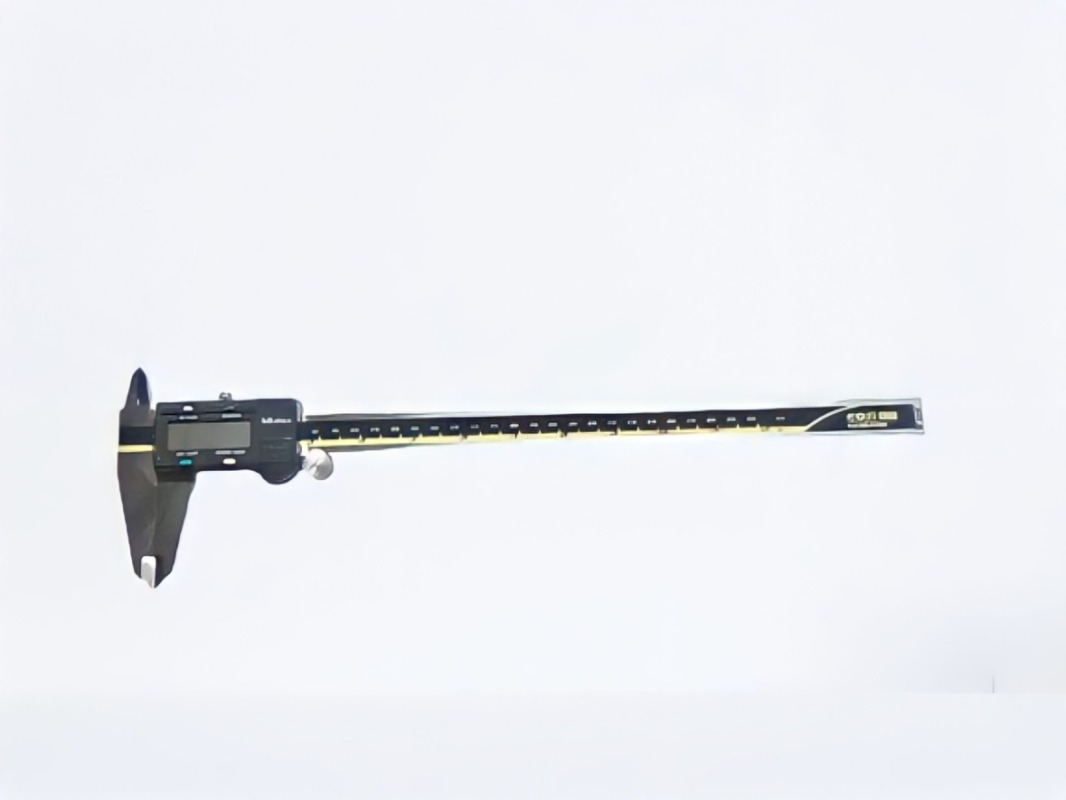
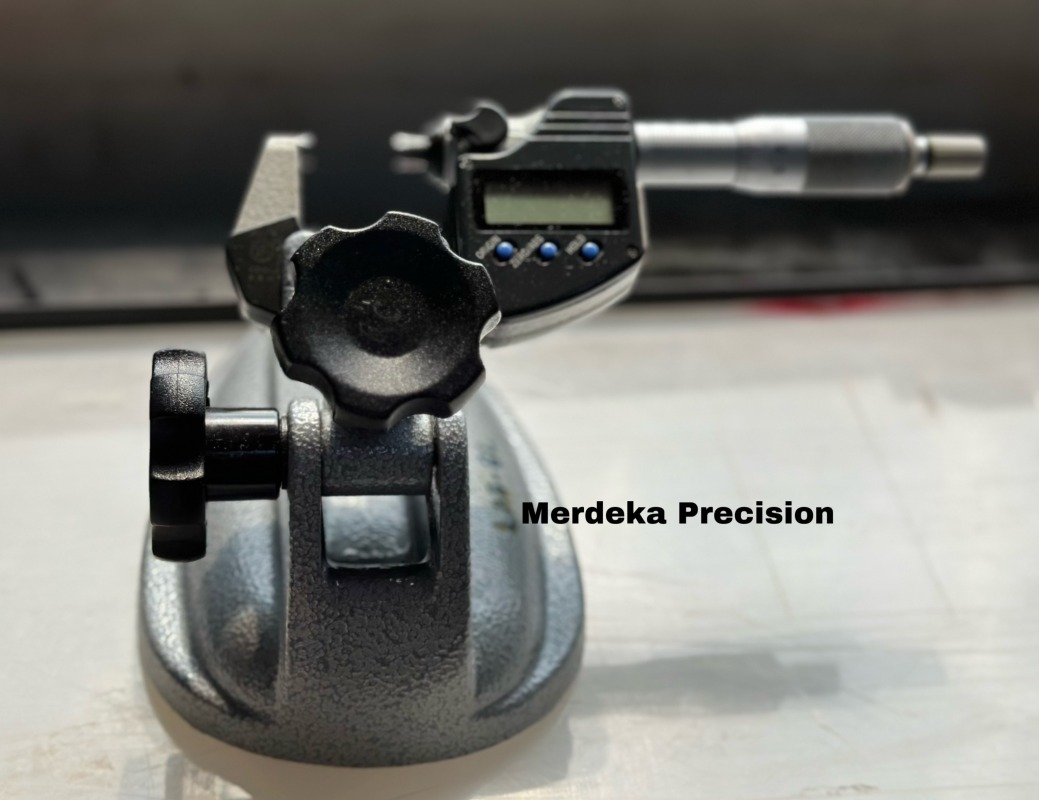
Lorem ipsum dolor sit amet, consectetur adipiscing elit. Ut elit tellus, luctus nec ullamcorper mattis, pulvinar dapibus leo.