
A gap smaller than a single human hair can cause your entire car engine to stop working. This tiny space allows high-pressure fire to escape from the cylinders and melt the metal around it. You must keep your engine surfaces perfectly flat to prevent this kind of total mechanical failure.
Learning about your engine block helps you save a lot of money on future repairs. Most people do not realize how much heat changes the shape of heavy metal parts over time. This guide will show you why keeping things level is the most important part of any rebuild.
What is Cylinder Block Resurfacing?
Cylinder block resurfacing is a machine shop process that makes the top of your engine block flat again. A machinist uses a very large and heavy cutting tool to shave off a thin layer of metal from the surface. This creates a fresh and even area for the rest of the engine parts to sit on.
You can think of this process as a way to reset the life of your engine block. It removes any scratches, pits, or bends that happened while you were driving the car. A fresh surface ensures that all the seals inside your motor can do their jobs correctly for a long time.
Defining the Deck
The deck is the flat top part of the engine block where the cylinders open up for the pistons. This area must stay perfectly straight to keep all the fire and oil inside the engine where they belong. If the deck bends even a little bit, your motor will lose power and leak fluids very quickly.
You can imagine the deck as the foundation of a large house. If the foundation is not level, the doors and windows on the upper floors will never close correctly. A level deck ensures that every other part of your engine fits exactly as the engineers intended.
Why Flatness is Critical for Performance
Modern engines run at very high pressures to give you more power and better fuel use. These pressures want to push the engine parts away from each other at all times. A flat surface provides the strong grip needed to hold everything together against these massive forces.
When the surface is wavy, the pressure finds a small path to escape out the side. This escape route creates a hot torch that burns through gaskets and ruins the metal block. You need a perfect seal to keep the energy of the fuel pushing on the pistons instead of leaking out.
Signs You Need Cylinder Block Resurfacing
White smoke coming from your tailpipe is a very common sign that your block is no longer flat. This smoke means that coolant is leaking into the fire chamber because the seal at the deck has failed. You might also notice that your engine oil looks like a chocolate milkshake because water has mixed into it.
You should pay close attention to how your car starts in the morning. A warped block can cause a slow start or a rough idle that does not go away as the engine warms up. If you see bubbles in your coolant tank while the engine is running, you likely have a surface problem.
The Overheating Nightmare
Severe overheating is the number one reason why engine blocks lose their shape and bend. When metal gets too hot, it expands much faster than the bolts can hold it down. This force is so strong that it permanently warps the block into a bowl shape.
Once the metal has warped, it will never go back to its original flat shape on its own. Even if you fix the cooling problem, the engine will continue to leak until you resurface the block. You must address the warp to prevent the new parts from breaking right away.
Measuring the Damage Correctly
Using the Precision Straightedge
You need a special tool called a precision straightedge to check if your block is still flat. You lay this heavy metal bar across the deck in several different directions to look for gaps. It is the only way to see bends that are too small for your eyes to notice.
The Role of Feeler Gauges
A feeler gauge is a set of very thin metal strips with specific thicknesses printed on them. You try to slide these strips under the straightedge to measure the size of any gaps you find. If a gauge thicker than the factory limit fits through, you must resurface the block.
Checking Multiple Angles
You should check the block from corner to corner and also across the middle sections. Sometimes a block is flat on the ends but has a deep low spot right in the center. Checking every angle ensures that you do not miss a hidden problem that could cause a leak.
The Gasket’s Best Friend
The cylinder head gasket is a thin layer of material that sits between the block and the head. It acts like a soft cushion that fills in tiny gaps to keep the engine airtight and watertight. However, a gasket can only fill very small gaps and cannot fix a warped metal surface.
Think of the gasket as a piece of tape trying to hold two boards together. If the boards are straight, the tape works well and stays in place for years. If the boards are bent, the tape will peel off or tear under the constant stress of the engine.
Understanding Surface Finish
The texture of the metal surface is just as important as how flat the metal is. Machinists measure this texture using a number called RA, which stands for roughness average. A surface that is too rough will chew up the gasket, while a surface that is too smooth might let the gasket slip.
Different gasket materials need different surface textures to create the best possible seal. Modern multi-layer steel gaskets require a very smooth finish that looks almost like a mirror. Getting this finish right is a key part of professional cylinder block services today.
The Resurfacing Process
- Clean the top of the block thoroughly to remove all old gasket material and grease.
- Place the block onto the milling machine and level it with precision dials.
- Set the cutting tool to remove only a few thousandths of an inch of metal.
- Run the machine across the surface to create a perfectly flat and smooth deck.
- Measure the surface again to make sure it meets all the engine specifications.
- Wash the block to remove every tiny piece of metal dust from the oil holes.
Tools Used in the Machine Shop
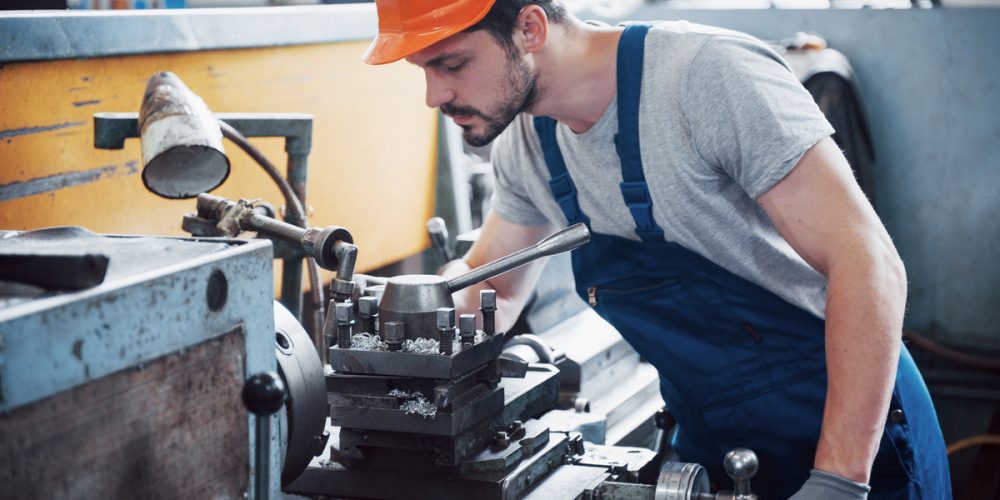
A professional shop uses a large machine called a surface grinder or a milling machine for this job. These machines are very heavy and do not vibrate when they are cutting through hard metal. This stability is what allows the machinist to create a surface that is flat within a fraction of a hair.
You cannot get these results with a hand sander or a file at home in your garage. Hand tools create round edges and uneven spots that make the leaking problem even worse than before. You should always trust a shop with the right gear to handle your engine block.
Cast Iron vs Aluminum Blocks
Cast iron blocks are very strong but they can still warp if they get hot enough. They are often harder to cut and require special heavy-duty tools to get a smooth finish. However, iron is very stable and usually stays flat for a long time once it is machined.
Aluminum blocks are much lighter but they warp more easily when they get too hot. Since aluminum is a soft metal, the machinist must be very careful not to remove too much material. Most modern cars use aluminum, so resurfacing has become a very common task in modern shops.
Removing the Right Amount of Metal
A machinist tries to remove as little metal as possible to make the surface flat again. If you take off too much metal, the pistons might hit the valves inside the engine. There is a specific limit for every engine that tells the shop how much can be safely shaved away.
Taking off metal also changes how the timing belt or chain fits on the motor. You might need a thicker head gasket to make up for the metal that was removed during the process. A good machinist will tell you exactly how much was taken so you can buy the right parts.
Advantages of Professional Machining
- It stops all internal and external leaks permanently.
- It improves the compression of your engine for more power.
- It ensures the head gasket lasts for the rest of the engine’s life.
- It helps your engine stay cooler by improving heat transfer.
- It gives you peace of mind when you are driving on long trips.
Why Hand Sanding is a Bad Idea
Some people try to save money by using a sanding block on their engine in the driveway. This almost always leads to a surface that is higher in some spots and lower in others. Even a small mistake with a sander can turn a repairable block into a piece of scrap metal.
The dust from sanding can also get into your oil pump and ruin the bearings in minutes. A machine shop uses special fluids to catch the dust and keep your engine internals clean. Saving a little money now by doing it yourself often leads to buying a whole new engine later.
Avoiding Blown Gaskets
A blown head gasket is usually the result of a block that was not resurfaced during a repair. Many mechanics just put a new gasket on a warped block to get the car running quickly. This usually works for a few weeks before the gasket fails again in the exact same spot.
If you want your engine reconditioning work to last, you must check the block every single time. It is much cheaper to resurface the block while the engine is apart than to do the whole job twice. Always do the job correctly the first time to avoid the frustration of a broken car.
Final Assembly Tips
Before you put the engine back together, make sure the bolt holes in the block are perfectly clean. If there is oil or water in the holes, the bolts will not tighten down with the right amount of force. This can cause the block to warp again as soon as the engine gets hot.
Use a high-quality torque wrench to tighten the head bolts in the specific order the manual suggests. This ensures that the pressure is spread out evenly across the entire surface of the block. Proper tightening is the final step in making sure your newly surfaced block stays flat.
Conclusion
Cylinder block resurfacing is a vital step in making any old engine run like new again. You now understand that heat and stress can bend even the strongest metal parts over time. By checking for warpage and using professional tools, you can ensure your motor stays healthy and strong.
We take great pride in providing the highest level of care for your engine components. At Merdeka Precision, we focus on precision engineering Tangerang to help you get the best results for your machine projects. Our team has the right tools and knowledge to handle your most difficult engine repairs.
Do you have any questions about how to measure your engine block at home? Let us know in the comments and we will be happy to help you!