
Your best excavator just stopped. The engine is dead. The tracks, hydraulics, and body are still in great shape. You now face a huge bill for a new machine. But what if you could just give it a new heart?
This is the core idea behind engine reconditioning. It is a key strategy for extending heavy machinery life. It is a detailed process that restores your old, worn-out engine to a “like-new” condition, saving you from the high cost of a full replacement.
What is Engine Reconditioning?
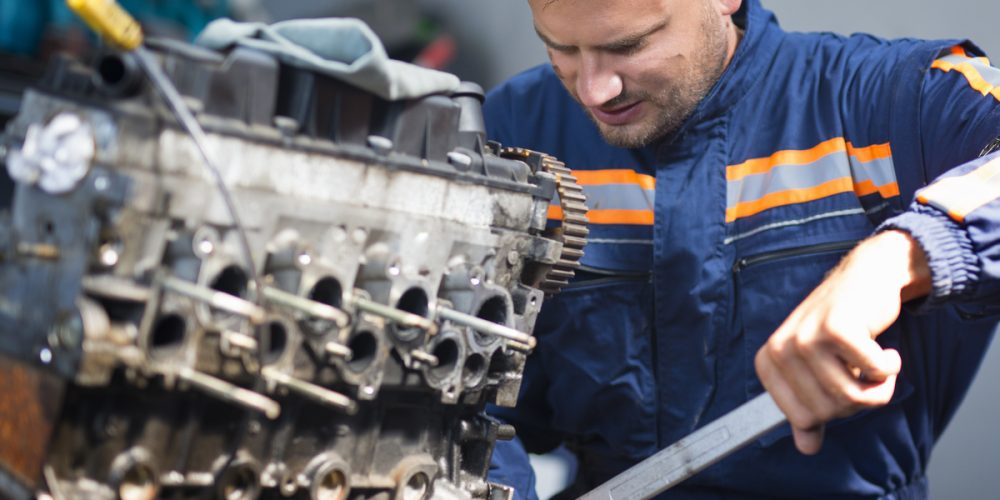
Engine reconditioning is a complete and detailed process. It is not just a simple repair or a patch. It means taking a worn engine, completely disassembling it, and bringing all its core components back to their original factory standards.
Think of it like this. A “rebuild” just fixes the one part that broke. Reconditioning restores the entire engine. This comprehensive approach is what ensures a long and reliable second life for your equipment.
The Reconditioning Process: A “Like-New” Restoration
To understand why this works, you need to see the main steps. The goal is to find and fix every single wear point. This ensures the engine is reliable for years to come.
This detailed work is what separates a recondition from a simple repair. It is a full industrial restoration that requires precision machinery and expert technicians.
Step 1: Complete Disassembly and Cleaning
First, the engine is completely taken apart. Every single bolt and part is removed and organized. The engine cannot be properly inspected until it is perfectly clean.
The main components are put in a hot chemical bath or a special thermal oven. This process strips away all the old, baked-on carbon, oil sludge, and grime. This reveals the bare metal, which is the only way to find hidden damage.
Step 2: Detailed Inspection
Technicians cannot fix what they cannot see. Once clean, they use precision tools like micrometers and bore gauges to measure all the parts. This checks for wear, out-of-round shapes, or bending.
They also use special tests, like magnetic particle inspection, to find tiny, hidden cracks. These micro-fractures are invisible to the naked eye but could cause a future failure. This step ensures no damage is missed.
Step 3: Precision Machining
This is the most important step. Worn core parts are not thrown away; they are restored to their exact, original dimensions. This is where the magic of reconditioning happens.
The cylinder block is honed to create a new, perfect surface for the piston rings. The crankshaft journals are ground and polished to a mirror finish. The cylinder head is resurfaced so it is perfectly flat.
Step 4: Reassembly with New Parts
Finally, the engine is put back together in a clean room. All wearable parts are discarded and replaced with new, high-quality components. This ensures the engine’s reliability for its second life.
Common new parts include:
- New pistons and piston rings
- New main and rod bearings
- New valves, seals, and guides
- New gaskets, seals, and oil pump
The engine is assembled to the exact factory torque settings. The result is an engine that is mechanically as good as new.
How This Process Achieves Extending Heavy Machinery Life
This complete process directly adds years of service to your machine. The machine’s chassis, hydraulics, and frame often last much longer than the engine. Reconditioning matches the engine’s life to the rest of the machine.
You gain several key benefits that save you money.
- Restored Performance: The engine has full compression again. This means you get full power and burn less fuel, just like a new engine.
- Increased Reliability: All wear points are fixed. This stops surprise breakdowns and prevents costly, unplanned downtime.
- Lower Operating Costs: A reconditioned engine stops burning excess oil. It also has much better fuel economy, saving you money every day.
- A Higher Asset Value: The machine is no longer “worn out.” It becomes a valuable asset with a proven, reliable engine, increasing its resale value.
Reconditioning vs. Buying a New Crate Engine
You might ask, “Why not just buy a new engine from the dealer?” This is a valid question, but it has two main drawbacks.
First is cost. A brand-new crate engine is almost always the most expensive option. Reconditioning your engine core is much more cost-effective and provides the same result.
Second is time. A new engine, especially for older or specialized machines, can take months to arrive due to supply chain issues. A good machine shop can often recondition your engine in a much shorter time.
The “Rebuild” Trap: A Short-Term Fix
It is also vital to know the difference between reconditioning and a “rebuild.” A rebuild is just a patch. A mechanic finds the one part that broke and replaces it.
The problem is that all the other parts are still old and worn. A rebuilt engine can fail again just a few months later when the next old part breaks. Reconditioning fixes everything at once, which is why it is the best method for extending heavy machinery life.
Conclusion
Engine reconditioning is a smart, valuable choice for getting the most from your heavy equipment. It is a complete restoration, not a temporary patch. It brings your engine back to its full power, efficiency, and reliability.
This process allows your valuable equipment to serve you for many more years. It saves you money, reduces costly downtime, and is a sustainable choice.
What is the biggest challenge you face when deciding whether to repair or replace old machinery?
At Merdeka Precision, we specialize in this detailed restoration. Our engine reconditioning solutions are built on a foundation of precision and quality. We help many industries get the most value from their heavy equipment. If you want to learn more, contact us to discuss your needs.