
Your most important machine just went down. The engine is smoking, knocking, and has no power. You think you need a brand-new engine. This is a very expensive choice. But wait, there is a better, more cost-effective option.
It is called engine reconditioning. This is not a simple patch or a quick fix. It is a complete, step-by-step process that brings your old engine back to life. This guide will walk you through exactly how it is done.
What is Engine Reconditioning?
Engine reconditioning is a full restoration of a worn engine. The engine is completely taken apart. All the core parts are restored to their original factory specifications.
Think of it like this. A “rebuild” is like patching a hole in a wall. The engine reconditioning process is like stripping the whole house down to the frame and making it new again.
Step 1: Complete Disassembly and Initial Inspection
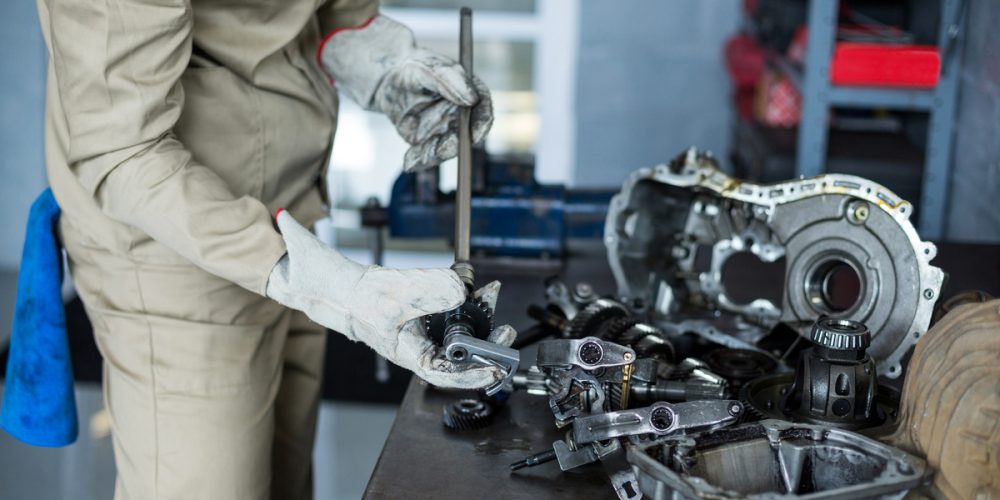
The process starts by taking the engine completely apart. A technician removes every single bolt and component. Nothing is left connected.
Each part is then carefully tagged and organized. This is a very important step. It ensures that every part from your engine is tracked.
Step 2: Thorough Cleaning
Next, all the parts go to be cleaned. You cannot inspect or measure a part that is covered in grease, oil, or carbon.
Parts are put in hot chemical baths or special thermal ovens. This deep cleaning strips away all the grime. The parts come out looking like bare, new metal.
Step 3: Detailed Inspection and Precision Machining
This is the most important part of the whole engine reconditioning process. This is where the skill of a machine shop comes in. Technicians use high-precision tools to find every problem.
They measure everything in thousandths of an inch. They find wear that you cannot see with your eyes. Then, they use special machines to fix it.
Checking the Cylinder Block
The cylinder block is the foundation of the engine. Technicians check the top surface to make sure it is perfectly flat. They also measure the cylinders where the pistons move.
These cylinders can wear into an oval shape. The block is put in a machine to be “honed” or “bored.” This makes the cylinders perfectly round and straight again.
Inspecting the Cylinder Head
The cylinder head controls the engine’s breathing. It is also checked for flatness. A warped head is a common cause of failure.
The head is also pressure tested. This test forces water or air through the passages. It finds tiny, hidden cracks that would cause leaks.
Restoring the Crankshaft
The crankshaft is the backbone that spins inside the engine. It is checked for cracks using a magnetic particle test. The surfaces where the bearings ride, called journals, are measured.
These journals are almost always worn. They are put on a special grinding machine. This machine makes the journals perfectly round and smooth again.
Servicing the Camshaft and Rods
The camshaft lobes are also checked for wear. Worn lobes can cause a big loss of engine power. They are polished or repaired.
Finally, the piston rods are inspected. Technicians check if they are bent or twisted. The “big end” of the rod is resized to be perfectly round.
Step 4: Reassembly with New Parts
Now all the core parts are “like new.” They are moved to a special clean room for assembly. This step is just as important as the machining.
The technicians combine the restored components with a list of brand-new wearable parts. These new parts include:
- New pistons and piston rings
- New main and rod bearings
- New valves, guides, and seals
- A new oil pump
- All new gaskets and seals
Step 5: Final Testing and Quality Control
The reconditioned engine is not just put in a box. It must be tested to ensure the quality of the work. This final step confirms the engine is ready.
The testing process usually includes these three checks:
- The engine is spun with a special tool to check for good oil pressure.
- A compression test is done on all cylinders to confirm the seals are tight.
- The engine may be run on a test stand (called a dyno) to check for leaks and power.
Why This Process is Better Than a Simple “Rebuild”
It is important to know this process is not a “rebuild.” A rebuild just fixes the one part that broke. It is a short-term, low-cost patch.
The engine reconditioning process is a long-term solution. It finds and fixes all the worn parts at once. This stops the next old part from failing a few months later.
Conclusion
The engine reconditioning process is a complete, step-by-step restoration. It is a highly technical service. It turns a worn-out engine into a reliable, “like-new” powerhouse.
This process saves you a lot of money. It also extends the life of your valuable machinery. It is a smart choice for any business.
What is the biggest factor you consider when one of your main engines fails?
At Merdeka Precision, we are experts in this detailed process. We provide professional engine reconditioning for many industries. Our wide range of services ensures your machinery gets back to work reliably.
If you have an engine that needs a new life, contact us today. We can discuss how our team can help you.