
Have you ever heard a deep, heavy knocking sound coming from your industrial engine and felt a sense of dread? That sound is often the engine’s cry for help, signaling a serious problem with one of its most stressed components. Inside your engine, the piston rod is working tirelessly, and if it fails, the results can be catastrophic.
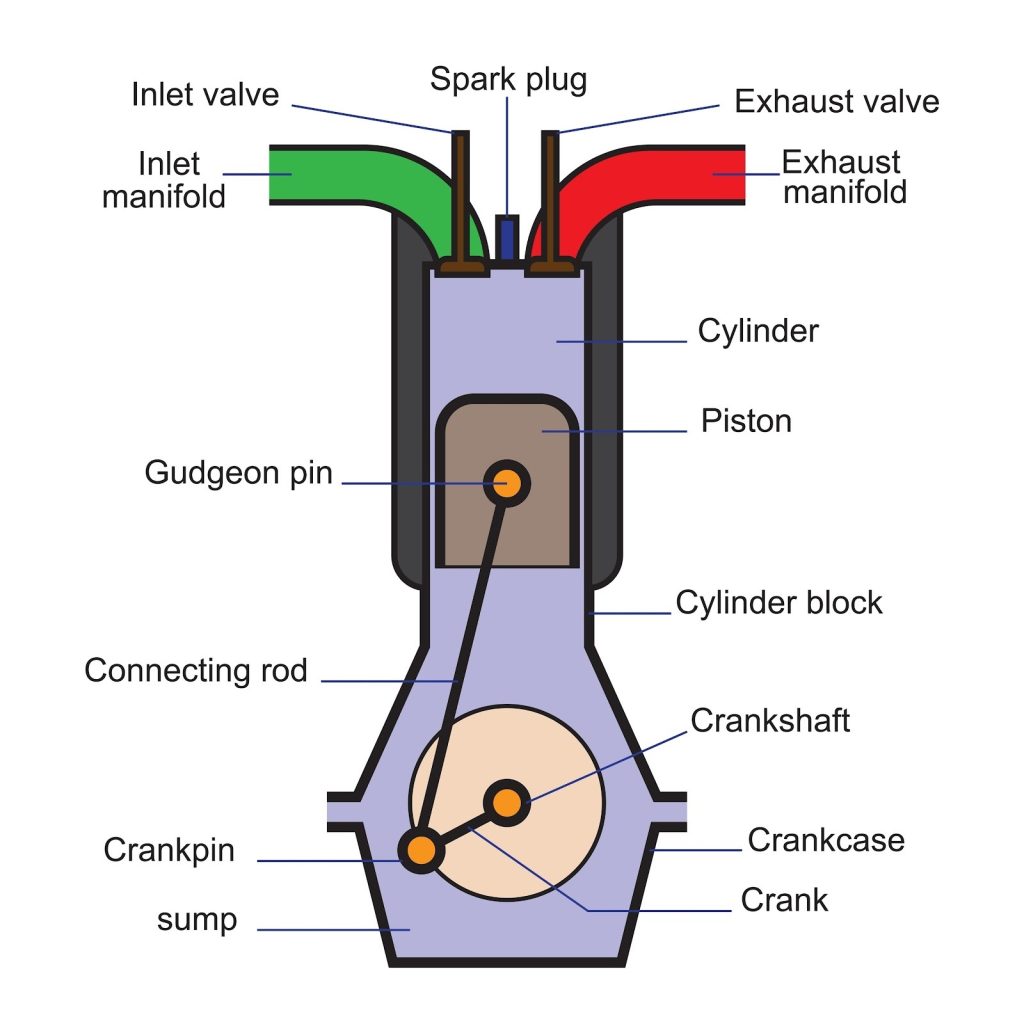
The piston rod, or connecting rod, is the vital link that transfers the immense force of combustion from the piston to the crankshaft. It is constantly being compressed and stretched with thousands of pounds of force. Learning to spot the early warning signs of failure can save you from a complete engine breakdown and massive repair bills.
What is a Piston Rod and Why is it So Important?
A piston rod is the strong arm inside your engine that connects the piston to the crankshaft. Think of it as the leg of a world-class sprinter, powerfully driving the engine’s rotating assembly. As the fuel ignites and pushes the piston down, the rod transfers this linear motion into the turning force that powers your machinery.
Shutterstock
This component is under incredible stress with every single revolution of the engine. A failure here is one of the most destructive events that can happen internally. A broken rod can punch a hole through the side of the engine block, destroying it instantly and ending its service life.
The Most Common Piston Rod Damage Signs
A problem with a piston rod will almost always create noticeable symptoms. These are your engine’s direct communications that something is wrong. Paying close attention to these signs is the first step in diagnosing the problem before it gets worse.
1. The Dreaded “Rod Knock”
This is the most classic and most recognized of all piston rod damage signs. It is a deep, rhythmic knocking sound that comes from the lower part of the engine. The sound will get faster and louder as you increase the engine’s RPM.
This distinct noise is caused by too much clearance between the rod bearing and the crankshaft journal. The sound you hear is the rod hammering against the crank with every rotation. This is a critical warning sign that should never be ignored.
2. Low or Fluctuating Oil Pressure
Your engine’s oil pressure is like its blood pressure; a sudden drop is a sign of a serious problem. The piston rod bearings need a constant, high-pressure film of oil to function. A worn or damaged bearing creates a large gap that allows this oil to escape too easily.
This leak causes a system-wide drop in oil pressure, which can starve other critical parts of the engine, like the camshaft and turbocharger, of lubrication. This can quickly lead to a chain reaction of failures throughout the engine. If you see your oil pressure gauge dropping, a bad rod bearing is a likely culprit.
3. Visible Metal Shavings in the Oil
Your engine oil can tell you a lot about the health of its internal parts. When you drain the oil during a change, look at it closely in the light. If you see what looks like fine, metallic glitter, you have a major problem.
These tiny metal flakes are pieces of the rod bearing that have been ground away due to excessive wear or a lack of oil. This is a clear sign that a major component is self-destructing inside your engine. It is physical evidence that a failure is not just possible, but already in progress.
4. Excessive Engine Vibration
An engine is a carefully balanced assembly of rotating and reciprocating parts. A bent piston rod will throw this balance completely off. The piston will no longer travel perfectly straight up and down in its cylinder.
This causes the piston to push against the side of the cylinder wall, creating excess friction and a noticeable vibration. This vibration will often get worse as you put the engine under load. A bent rod is a serious issue that puts a huge strain on the entire rotating assembly.
5. Catastrophic Engine Failure
This is the worst-case scenario and the final result of ignoring the other signs. A bent rod can eventually break, or a worn bearing can seize to the crankshaft. When this happens, the failure is immediate and violent.
The broken rod is no longer connected and can be thrown around inside the engine at high speed. It often punches a large, jagged hole right through the side of the cylinder block, destroying it. This is commonly known as a “thrown rod,” and it almost always means the engine is damaged beyond repair.
What Causes a Piston Rod to Bend or Fail?
Piston rod failures do not usually happen on their own. They are almost always the result of another problem within the engine. Understanding these root causes can help you prevent this type of serious damage.
The main causes can be broken down into a few key categories. Each one puts a different kind of extreme stress on the rod.
- Oil Starvation: This is the number one cause of bearing failure, which leads to rod knock. A low oil level, a failed oil pump, or clogged oil passages can prevent the bearings from getting the lubrication they need.
- Over-revving: Pushing an engine far past its designed RPM limit puts incredible tensile, or stretching, force on the rods. This can stretch the rod bolts or the rod itself to the breaking point.
- Hydrolock: This happens when a non-compressible liquid, like coolant or water, gets into a cylinder. When the piston moves up on its compression stroke, it tries to compress the liquid, which is impossible. The immense force has nowhere to go and will bend the piston rod instantly.
- Improper Assembly: If an engine is not assembled correctly, for example, if the rod bolts are not torqued to the proper specification, it can lead to premature failure.
What to Do If You Suspect a Problem
If you hear rod knock or see any of the other major piston rod damage signs, there is only one correct course of action. You must shut down the engine immediately. Do not try to keep it running to get back to the shop.
Continuing to run an engine with a failing piston rod will turn what might be a repairable issue into a completely destroyed engine. The next step is to have the engine professionally diagnosed. This requires a teardown to inspect the rods, bearings, and the surface of the crankshaft.
Conclusion: Act Fast to Save Your Engine
The piston rod is a component that works hard in the background, but when it fails, it demands your immediate attention. Learning to recognize the key signs—a deep knock, low oil pressure, metal in the oil, and vibration—can make all the difference. These are not subtle hints; they are urgent warnings that a major failure is coming.
Taking immediate action is the most important thing you can do to prevent a small problem from becoming a catastrophic and expensive one. A damaged piston rod is a serious issue that always requires professional intervention. Never ignore the signs.
At Merdeka Precision, we understand how critical these components are to the health of your machinery. Our professional piston rod services are a core part of the comprehensive engine reconditioning solutions we offer to a wide range of industries. If you suspect you have a serious engine problem, contact us today for an expert evaluation.
Have you ever experienced the unmistakable sound of rod knock in one of your machines? Share your story in the comments below.